
Goal
Show how education can promote dignity, equality, and social change while encouraging students to reflect on creating a more inclusive society.
Stories
Learning Objectives
• Understand how education can help challenge caste and gender barriers.
• Explain why learning can become a form of dignity, confidence, and resistance.
• Recognize how Dalit women have challenged social expectations through education.
• Reflect on how education can create social change for individuals and communities.
Historical Background
For many Dalit women, education has not only been about going to school or getting a job. It has also been about entering spaces that were historically closed to them. Some subjects, languages, and professions were treated as if they belonged only to certain caste and gender groups. When Dalit women entered these spaces, they challenged old ideas about who had the right to learn, think, teach, and lead.
Story
This classroom story is inspired by Kumud Pawde’s autobiographical essay “The Story of My Sanskrit,” from her autobiography Antasphot. It shares how education can become a way to break barriers and claim dignity.
When she first became interested in Sanskrit, some people could not understand it.
They wondered why a Dalit woman would want to study a language that had long been connected with upper-caste learning, religious knowledge, and social power. For many people around her, Sanskrit was not just another school subject. It was a language that carried history, status, and caste boundaries. But she wanted to learn it.
She was not studying Sanskrit to impress anyone. She was studying because she loved learning. She wanted to understand the language deeply. She wanted to prove, first to herself and then to the world, that knowledge did not belong to one caste, one gender, or one group of people. The path was not easy.
There were people who doubted her. Some questioned whether she belonged in that field. Some looked at her caste before they looked at her ability. Some could not accept that a Dalit woman could master a subject that society had kept away from people like her for generations. But she continued.
Every lesson became more than a lesson. Every word she learned became a small challenge to the wall society had built around knowledge. Every page she read reminded her that education could open doors, even when people tried to keep them closed.
There were moments when she felt the weight of discrimination. It was not always loud or direct. Sometimes it appeared in small comments, doubtful looks, or unfair treatment. But those moments did not stop her. They made her more determined. As she studied Sanskrit, she began to break a powerful idea: the belief that some knowledge was “not meant” for Dalit people or women. Her education became a quiet form of resistance.
She showed that intelligence is not decided by caste. She showed that learning is not the property of the privileged. She showed that a Dalit woman could enter a space where she had been told she did not belong and still stand with confidence. For her, Sanskrit was not only a subject. It became a symbol.
It symbolised the right to learn.
It symbolised the right to question.
It symbolised the right to enter spaces that had been closed.
It symbolised the right to be seen not through caste, but through ability, effort, and dignity.
Her story teaches us that breaking barriers does not always happen through big speeches or public protests. Sometimes it happens when one student chooses a subject that society said was not for her. Sometimes it happens when one woman keeps studying even when others doubt her. Sometimes it happens quietly, through books, classrooms, and persistence.
Education did not erase every barrier from her life. But it gave her strength to challenge them. It helped her create a place for herself in a world that tried to limit her. This is why education matters for social change. When Dalit women learn, teach, write, and lead, they do more than change their own lives. They challenge society’s ideas about caste, gender, knowledge, and dignity. They show future generations that no subject, no classroom, and no dream should be closed to them.
Illustrated Learning Page
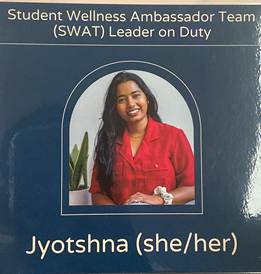
Figure 1: Breaking Barriers, Finding My Place
Note. This image shows me as a Student Wellness Ambassador Team leader at Thompson Rivers University. I chose it because Story 7 is about entering spaces that once felt out of reach. For me, education created confidence, leadership, and the freedom to take a stand.
Sociology Connection
This chapter connects with Grade 11 Sociology topics including caste, gender, education, knowledge, social barriers, identity, dignity, resistance, and social change.
Discussion Questions
- Why was studying Sanskrit an important barrier-breaking act in this story?
- How did caste and gender shape people’s expectations of the learner?
- Why can education become a form of resistance?
- What does this story teach us about who has the right to knowledge?
- How can one person’s learning create change for future generations?
Reflection Activity
Write one paragraph explaining how education helped the woman in this story break barriers. In your answer, include how learning can support dignity, confidence, and social change.
References
Pawde, K. (2006). The story of my Sanskrit. In S. Rege (Ed.), Writing caste/writing gender: Narrating Dalit women’s testimonios. Zubaan.
Rege, S. (2006). Writing caste/writing gender: Narrating Dalit women’s testimonios. Zubaan.
Learning Objectives
- Understand how identity is shaped by family, community, memory, caste, and gender.
- Explain why belonging can be difficult for people who face social exclusion.
- Recognise how Dalit women’s life stories help us understand dignity and self-respect.
- Reflect on how remembering one’s history can become a source of strength and belonging.
Historical Background
For many Dalit women, identity has been shaped by both personal experience and community history. Caste discrimination often tried to make Dalit people feel excluded from society, but Dalit women’s writing shows how memory, family, education, and storytelling can help rebuild dignity, confidence, and belonging.
Story
The Basket of Belonging
This classroom story is inspired by Urmila Pawar’s memoir The Weave of My Life: A Dalit Woman’s Memoirs, which reflects on caste, gender, family memory, and the lives of Dalit women. When she was young, she watched her mother weave baskets.
Her mother’s hands moved carefully, bending and shaping each strip with patience. What looked simple from far away was not simple at all. Every piece had to be placed properly. Every strip had to connect with another. Slowly, a basket began to take shape. As a child, she did not fully understand that the basket was more than an object. It was work. It was survival. It was family history. It was a sign of the life her community had been given under caste society. She grew up noticing that people did not always see her family with respect. Some people looked down on the work they did. Some judged them before knowing them. Some treated caste as if it could decide a person’s worth.
At times, she felt caught between two worlds. At home, she belonged to a community full of stories, labour, strength, humour, and care. But outside, society often made her feel different. It reminded her of caste through words, looks, silence, and unfair treatment. She began to ask herself difficult questions.
Who am I?
Where do I belong?
Why should my family’s work be treated as shameful?
Why should caste decide how people see me?
As she grew older, she began to understand that belonging was not something society could simply give or take away. Belonging could also come from knowing her own history. It could come from listening to the women in her family. It could come from remembering the labour, courage, and love that shaped her life.
The basket her mother made became a powerful symbol in her mind.
Each woven strip reminded her of a different part of herself: her childhood, her mother’s work, her community’s struggles, her education, her questions, and her dreams. None of these parts stood alone. Together, they formed her identity.
She realized that her story was not only about pain. It was also about strength.
Her mother’s work was not something to hide. It was a reminder of skill, patience, and survival. Her community’s history was not something to feel ashamed of. It was a source of memory, resistance, and dignity. Slowly, she began to see herself differently.
She was not only someone society had tried to place at the margins. She was also someone with a voice, a history, and a place in the world. She belonged to generations of people who had worked, survived, cared, resisted, and continued moving forward. Education helped her name the injustice. Storytelling helped her honour the people who came before her. Memory helped her feel rooted. And writing helped her say, “This is my story, and it matters.”
Her journey teaches us that finding identity and belonging is not always easy. For people who face caste and gender discrimination, belonging can be interrupted by exclusion and unfair judgment. But belonging can also be rebuilt through memory, family, education, and dignity. Like a woven basket, identity is made from many pieces. Some pieces carry pain. Some carry hope. Some carry the voices of mothers and grandmothers. Some carry dreams for the future. Together, they become a story of belonging.
Illustrated Learning Page
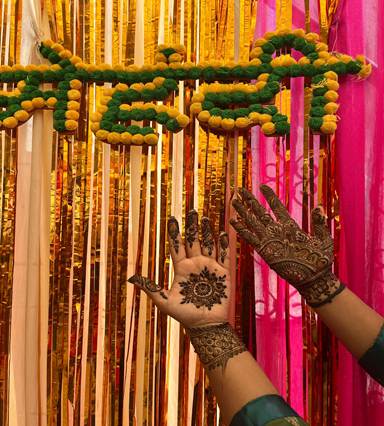
Figure 1. Roots, Identity, and Belonging
Note. This image shows mehndi (henna art often used in South Asian celebrations and family events). I chose it because it reminds me of family, culture, memory, and where we come from. Like the story, it shows how identity and belonging can grow from our roots, traditions, and family history.
Sociology Connection
This chapter connects with Grade 11 Sociology topics including identity, belonging, caste, gender, family, memory, social exclusion, dignity, and social change.
Discussion Questions
- Why did the basket become an important symbol in the story?
- How did caste affect the way the girl saw herself and her family?
- Why can family memory help people understand their identity?
- How can storytelling help people rebuild dignity and belonging?
- What does this story teach us about respecting different histories and experiences?
Reflection Activity
Write one paragraph explaining how the basket in the story represents identity and belonging. In your answer, include how memory, family, dignity, and education can help someone understand who they are.
References
Pawar, U. (2009). The weave of my life: A Dalit woman’s memoirs (M. Pandit, Trans.). Columbia University Press. Original work published 2003.
Learning Objectives
- Understand how education can change opportunities across generations.
- Explain how caste and gender shaped the lives of Dalit women in different time periods.
- Recognize family stories as important sources of knowledge, memory, dignity, and resilience.
- Reflect on how one generation’s struggle can create hope and opportunity for the next.
Historical Background
Dalit women’s educational journeys are often shaped by family history, caste, gender, poverty, and social change. Across generations, many Dalit women moved from being denied education, to dreaming of education for their children, to using education as a path toward dignity, confidence, and freedom. Personal and family stories help students understand how social inequality is lived, remembered, and challenged.
Story
Three Generations, One Dream
This classroom story is adapted from Jyotshna’s personal Knowledge Makers article, From Caste to Consciousness: A Dalit-Khatik Woman’s Journey of Identity, Freedom, and Belonging. The story is based on her conversations with her grandmother and mother about education, identity, and intergenerational resilience.
When I came to Canada as an international student, I did not expect to rediscover myself.
I thought I had come here only to study, build my future, and move forward in life. But while learning about Indigenous communities in Canada, I began thinking more deeply about my own history, my own community, and the women in my family.
One day, after reading and reflecting on caste, identity, and belonging, I felt something shift inside me. I had always known that I belonged to a Dalit community. I knew there had been discrimination in the past. But I had never fully understood how much that history lived inside my own family. So I called my grandmother.
I asked her about our past. I asked her what life was like before. I asked her what education meant for girls in her time.
She began telling me stories from a world very different from mine.
She told me that when her parents were young, education was not something people from our community could even imagine. School was not seen as a place for them. They were not encouraged to study. In many ways, they were not even allowed to dream of education. I sat quietly and listened.
For me, school had always been difficult at times, but it was still possible. For them, it was not even a possibility. That thought stayed with me.
My grandmother did not get many chances to study either. She married young and spent most of her life within her region. She never went to university. She never travelled far. But even without those opportunities, she carried one strong dream in her heart. She wanted her children to study. That dream mattered.
She may not have been able to walk through the door of education herself, but she wanted that door to open for the next generation. Her dream became the first step toward change in our family. Then I spoke to my mother.
My mother was born in a different time. By then, education had become more possible for people from our community. It was still not easy, but it was no longer completely out of reach. My mother went to school. She studied science. She worked hard and built a professional life in the medical field. When she told me this, I felt proud.
I also felt emotional because I could see how each generation had pushed the door a little more open.
My great-grandparents could not even dream of education.
My grandmother dreamed of education for her children.
My mother received an education and built a stable life.
And now, I am studying in Canada, writing academic work, travelling across countries, and living opportunities that earlier generations of women in my family could never have imagined.vSometimes this realisation becomes heavy in my heart.
I can read, write, travel, and choose my own path because the women before me carried struggles that I did not have to carry in the same way. Their lives were limited by caste, gender, and social expectations, but they still created strength for the next generation.
My freedom is not only my achievement.
It belongs to my grandmother’s dreams.
It belongs to my mother’s hard work.
It belongs to the women before me who were told that education was not meant for them.
This story is not only about one family. It shows how education can change the direction of generations. It also shows that personal stories are not small or unimportant. They carry history. They carry memory. They carry pain, strength, and hope. When I think about my grandmother, my mother, and myself, I see three different lives connected by one dream. The dream was education. For my grandmother, education was hope for her children. For my mother, education was effort, discipline, and opportunity. For me, education is freedom, responsibility, and a way to honour the women who came before me.
Their story reminds me that I am not walking alone. I carry them with me in every classroom, every page I write, and every future I imagine. That is why this story matters. It teaches us that education is not only about school. It is about dignity. It is about belonging. It is about remembering where we come from and using that knowledge to create a better future.
Illustrated Learning Page
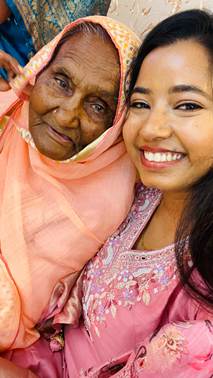
Figure 1. Three Generations, One Story and Dream
Note. This photo shows me with my grandmother. I chose it because her strength, dreams, and struggles helped shape the life I have today. I feel proud of where I come from, and I have been able to grow because of the women before me. Their journey gives me strength, hope, and a deeper sense of who I am.
Sociology Connection
This chapter connects with Grade 11 Sociology topics including caste, gender, education, family, identity, intergenerational change, lived experience, resilience, dignity, and social mobility.
Discussion Questions
- How did education mean something different for each generation in the story?
- What barriers did Dalit women face in accessing education?
- Why are family stories important for understanding social inequality?
- How can one generation’s struggle create opportunity for the next generation?
- Why does the storyteller describe education as both freedom and responsibility?
Reflection Activity
Write one paragraph explaining how education changed across the three generations in this story. In your answer, include how family memory, dignity, and hope are connected to social change.
References
Jyotshna. (forthcoming). From caste to consciousness: A Dalit-Khatik woman’s journey of identity, freedom, and belonging. Knowledge Makers, 11.
Ambedkar, B. R. (2004). Annihilation of caste. Navayana. Original work published 1936. https://navayana.org/products/annihilation-of-caste
Sikka, S. (2012). Untouchable cultures: Memory, power and the construction of Dalit selfhood. Identities: Global Studies in Culture and Power, 19(1), 43–60. https://doi.org/10.1080/1070289X.2012.672837
Learning Objectives
• Understand how caste can affect identity, belonging, and confidence in modern life.
• Explain why hiding one’s identity can be connected to social exclusion and discrimination.
• Recognize how speaking about caste can help create awareness and inclusion.
• Reflect on how schools and communities can become safer spaces for dignity and belonging.
Historical Background
Even though caste discrimination is legally challenged in India, caste can still affect people’s lives in schools, workplaces, families, and social spaces. For some Dalit people, social pressure can make them hide their caste identity to avoid judgment, shame, or discrimination. Building an inclusive society means creating spaces where people do not have to hide who they are in order to be respected.
Story
The Courage to Say Who I Am
This classroom story is inspired by Yashica Dutt’s published memoir Coming Out as Dalit, which shares her journey of caste identity, silence, courage, and self-respect.
For many years, she learned how to hide.
She learned how to speak carefully.
She learned how to answer questions without saying too much.
She learned how to smile when people asked about her background.
She was young, but she already understood that some truths were not always safe to say.
At school, in social spaces, and later in professional life, she noticed how people talked about caste. Sometimes they acted as if caste no longer mattered. Sometimes they made jokes. Sometimes they asked questions that sounded simple, but carried judgment inside them.
“What is your caste?”
“Where are you really from?”
“What does your surname mean?”
Each question made her pause.
She knew that if people found out she was Dalit, they might look at her differently. They might question her ability. They might treat her success as surprising. They might stop seeing her as a person and start seeing only her caste. So she stayed quiet. Silence became a way to survive. But silence was heavy. It made her feel like she had to leave part of herself outside the room before entering. It made her feel like belonging came with a condition: you can belong here, but only if you do not speak too openly about who you are. For a long time, she carried that weight. Then, slowly, something began to change.
She started reading more about Dalit history, caste discrimination, and the people who had spoken before her. She learned that her shame was not really hers. It had been placed on her by a society that treated caste as a reason to judge people. She began to understand that hiding her identity did not make caste disappear. It only showed how powerful caste still was.
One day, she made a brave decision. She decided to say it clearly.
I am Dalit. Those words were simple, but they carried years of fear, silence, memory, and strength. Saying them did not mean her life became easy. It did not mean everyone suddenly understood. But it changed something inside her. She no longer wanted to carry shame that did not belong to her. She no longer wanted to make herself smaller so others could feel comfortable. Her voice became stronger.
She began to write about caste, identity, and what it means to live in a society where some people are still forced to hide parts of themselves. Her story helped others understand that inclusion is not only about inviting people into a room. It is also about making sure they can enter that room without hiding their name, family, history, or identity. An inclusive society is not built by silence.
It is built when people listen.
It is built when students learn histories that were ignored.
It is built when people stop treating caste as someone else’s problem.
It is built when a person can say who they are and still be treated with dignity.
Her story teaches us that belonging should not require hiding. A person should not have to change their voice, background, name, or identity to be accepted. Building an inclusive society begins with a simple but powerful idea: Everyone deserves to belong without shame.
Illustrated Learning Page
Figure 1: Belonging Without Hiding

Note. I chose this image because the open view reminds me of freedom, space, and the hope of being fully seen. Like Story 10, it reflects the idea that people should be able to live with dignity, speak openly about who they are, and feel a true sense of belonging without hiding their identity.
Sociology Connection
This chapter connects with Grade 11 Sociology topics including identity, caste, belonging, social exclusion, discrimination, dignity, voice, inclusion, and social change.
Discussion Questions
- Why did the girl in the story feel pressure to hide her caste identity?
- How can silence become a way of surviving discrimination?
- Why was saying “I am Dalit” an act of courage?
- What does this story teach us about belonging and dignity?
- How can schools and communities become more inclusive for people from marginalised backgrounds?
Reflection Activity
Write one paragraph explaining what an inclusive society means to you. In your answer, include why people should be able to express their identity without fear, shame, or discrimination.
References
Dutt, Y. (2024). Coming out as Dalit: A memoir of surviving India’s caste system. Beacon Press. Original work published 2019.
Learning Objectives
- Understand how caste can affect identity, belonging, and confidence in modern life.
- Explain why hiding one’s identity can be connected to social exclusion and discrimination.
- Recognize how speaking about caste can help create awareness and inclusion.
- Reflect on how schools and communities can become safer spaces for dignity and belonging.
Historical Background
Even though caste discrimination is legally challenged in India, caste can still affect people’s lives in schools, workplaces, families, and social spaces. For some Dalit people, social pressure can make them hide their caste identity to avoid judgment, shame, or discrimination. Building an inclusive society means creating spaces where people do not have to hide who they are in order to be respected.
Story
The Courage to Say Who I Am
This classroom story is inspired by Yashica Dutt’s published memoir Coming Out as Dalit, which shares her journey of caste identity, silence, courage, and self-respect.
For many years, she learned how to hide.
She learned how to speak carefully.
She learned how to answer questions without saying too much.
She learned how to smile when people asked about her background.
She was young, but she already understood that some truths were not always safe to say.
At school, in social spaces, and later in professional life, she noticed how people talked about caste. Sometimes they acted as if caste no longer mattered. Sometimes they made jokes. Sometimes they asked questions that sounded simple, but carried judgment inside them.
“What is your caste?”
“Where are you really from?”
“What does your surname mean?”
Each question made her pause.
She knew that if people found out she was Dalit, they might look at her differently. They might question her ability. They might treat her success as surprising. They might stop seeing her as a person and start seeing only her caste. So she stayed quiet. Silence became a way to survive. But silence was heavy. It made her feel like she had to leave part of herself outside the room before entering. It made her feel like belonging came with a condition: you can belong here, but only if you do not speak too openly about who you are. For a long time, she carried that weight. Then, slowly, something began to change.
She started reading more about Dalit history, caste discrimination, and the people who had spoken before her. She learned that her shame was not really hers. It had been placed on her by a society that treated caste as a reason to judge people. She began to understand that hiding her identity did not make caste disappear. It only showed how powerful caste still was.
One day, she made a brave decision. She decided to say it clearly.
I am Dalit. Those words were simple, but they carried years of fear, silence, memory, and strength. Saying them did not mean her life became easy. It did not mean everyone suddenly understood. But it changed something inside her. She no longer wanted to carry shame that did not belong to her. She no longer wanted to make herself smaller so others could feel comfortable. Her voice became stronger.
She began to write about caste, identity, and what it means to live in a society where some people are still forced to hide parts of themselves. Her story helped others understand that inclusion is not only about inviting people into a room. It is also about making sure they can enter that room without hiding their name, family, history, or identity. An inclusive society is not built by silence.
It is built when people listen.
It is built when students learn histories that were ignored.
It is built when people stop treating caste as someone else’s problem.
It is built when a person can say who they are and still be treated with dignity.
Her story teaches us that belonging should not require hiding. A person should not have to change their voice, background, name, or identity to be accepted. Building an inclusive society begins with a simple but powerful idea: Everyone deserves to belong without shame.
Illustrated Learning Page

Figure 1: Belonging Without Hiding
Note. I chose this image because the open view reminds me of freedom, space, and the hope of being fully seen. Like Story 10, it reflects the idea that people should be able to live with dignity, speak openly about who they are, and feel a true sense of belonging without hiding their identity.
Sociology Connection
This chapter connects with Grade 11 Sociology topics including identity, caste, belonging, social exclusion, discrimination, dignity, voice, inclusion, and social change.
Discussion Questions
- Why did the girl in the story feel pressure to hide her caste identity?
- How can silence become a way of surviving discrimination?
- Why was saying “I am Dalit” an act of courage?
- What does this story teach us about belonging and dignity?
- How can schools and communities become more inclusive for people from marginalised backgrounds?
Reflection Activity
Write one paragraph explaining what an inclusive society means to you. In your answer, include why people should be able to express their identity without fear, shame, or discrimination.
References
Dutt, Y. (2024). Coming out as Dalit: A memoir of surviving India’s caste system. Beacon Press. Original work published 2019.